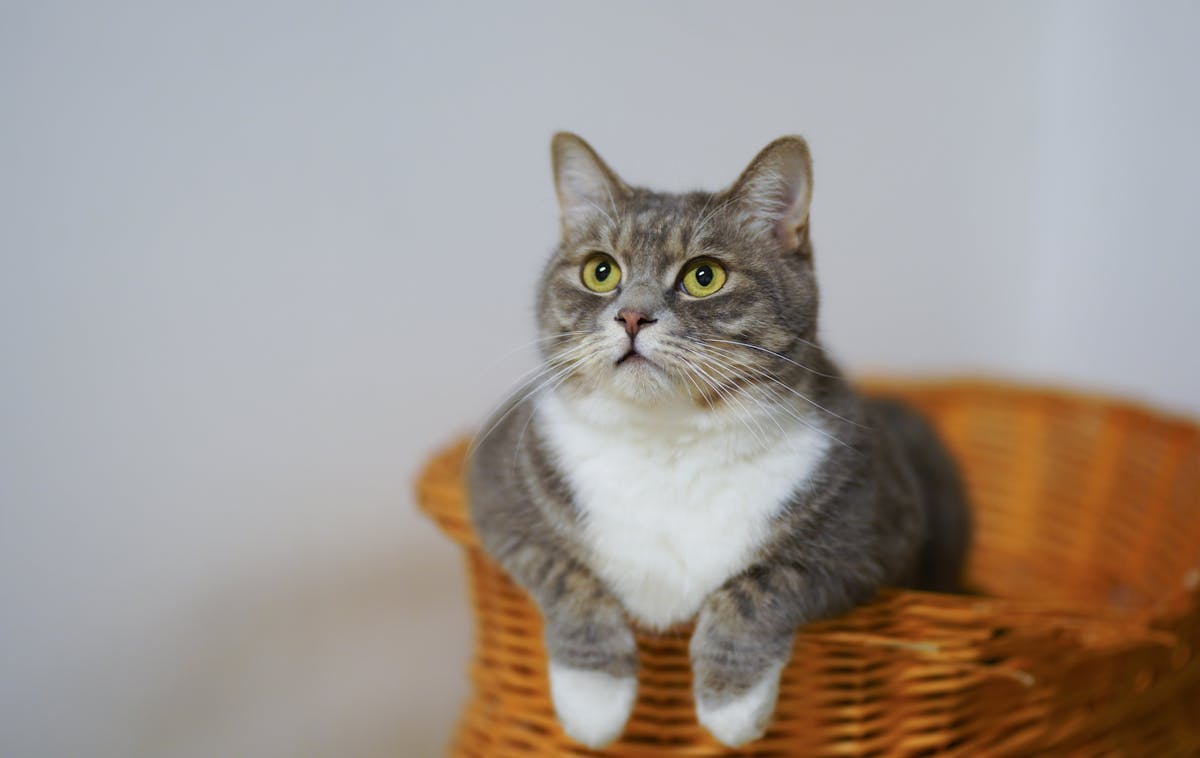
Let us be honest. An indoor cat in a typical Indian flat does not have a lot to do. No garden to roam, no mice to chase, no neighbourhood adventures. So all that hunting energy has to go somewhere, and usually it goes into your curtains, your sofa corners, and your feet at 3 am. If your cat is doing zoomies in the middle of the night, this article is for you.
The fix is simple and cheap: the right toys. Good toys are not just for fun, they are how an indoor cat exercises, hunts, and stays mentally healthy. Let me walk you through the toy types that actually work, based on how cats really behave.
Why indoor cats need toys (it is not optional)
Cats are hunters by instinct. Even your laziest, fattest house cat still has a tiny tiger inside. When that hunting instinct has no outlet, cats get bored, and bored cats become either destructive or depressed. Some overeat and put on weight. Others get anxious and start over-grooming.
Daily play solves most of this. Just 10 to 15 minutes of good play, twice a day, keeps your cat fit, calm and far less likely to redecorate your house with claw marks.
1. Interactive chase toys (the boredom killers)
These are the number one must-have. Toys that move, spin or roll trigger your cat’s chase-and-pounce instinct. A spinning mouse, a ball in a track, or a teaser keeps them busy and burns real energy.
Our Cat Mouse Catch Toy & Scratcher is a great example. It has a spinning mouse lure that your cat tries to catch, plus a built-in scratch pad on top. Two needs handled in one product, which is perfect for small Indian homes where you do not want ten different things lying around.
2. Scratchers (save your furniture, please)
Scratching is not bad behaviour, it is a need. Cats scratch to mark territory, stretch their bodies and keep their claws healthy. If you do not give them a scratcher, your sofa becomes the scratcher. Simple as that.
A dedicated scratch pad or post redirects all that energy away from your furniture. Keep it near where your cat usually rests, because cats love a good stretch and scratch right after waking up.
3. Feather and teaser wands (for bonding time)
Wand toys with feathers are brilliant because you control them. You drag the feather, your cat stalks and pounces, and suddenly you are both having fun. This is also wonderful bonding time, and it tires out even the most energetic kitty.
One tip: always put wand toys away after play. The strings can be dangerous if your cat chews them unsupervised.
4. Catnip and plush toys (for solo play)
Small plush toys, especially catnip-filled ones, are great for when you are busy or at work. Many cats go a little crazy for catnip and will bat a plush mouse around for ages. These are cheap, light and easy to replace, so keep a few around the house. New to catnip? Read our guide on whether catnip toys are safe for cats first.
How to keep your cat interested
Here is a secret that most cat parents do not know: cats get bored of toys they see all the time. The trick is rotation. Keep 6 to 8 toys, but only put out 2 or 3 at a time. Every few days, swap them. The “new” toy your cat forgot about feels exciting again. This one little habit doubles the life and fun of your toys.
Also, play before meals, not after. In the wild a cat hunts, catches, then eats. Copy that pattern. Play first, then feed. Your cat will play harder and settle down better afterwards.
Safety tips for Indian homes
- Avoid toys with small parts that can come off and be swallowed.
- Keep strings, ribbons and rubber bands away unless you are supervising.
- Check toys regularly and throw out anything that is torn.
- During summer, play in the cooler hours, early morning or evening, so your cat does not overheat.
Quick FAQ
How many toys does an indoor cat need?
Around 6 to 8 is plenty, as long as you rotate them. Variety matters more than quantity, so mix chase toys, a scratcher, a wand and some plush toys.
My cat ignores every toy I buy. What do I do?
Try a wand toy and play with it yourself, do not just leave it on the floor. Cats respond to movement that you control. Also try catnip toys, and play right before feeding time.
Are scratchers really necessary if I trim my cat’s nails?
Yes. Scratching is about stretching and marking territory, not just nail length. Even cats with trimmed nails need a scratcher.
What is the best budget toy to start with?
A combo toy and scratcher gives you the most value, because it covers play and scratching together. You can also pair play with a comfy spot to rest — see our pet beds collection.
Final thought
A happy indoor cat is an active cat. Give your kitty a mix of chase toys, a scratcher and some plush friends, rotate them often, and play a little every day. You will see calmer nights, healthier weight and a much happier cat.
Helpful resources
For further reading on play and enrichment for cats, see the ASPCA cat behaviour tips and the RSPCA advice on playing with your cat.
Browse the full Dupih cat toys collection to find the right mix for your furball, and remember every Dupih order helps support animal welfare too.